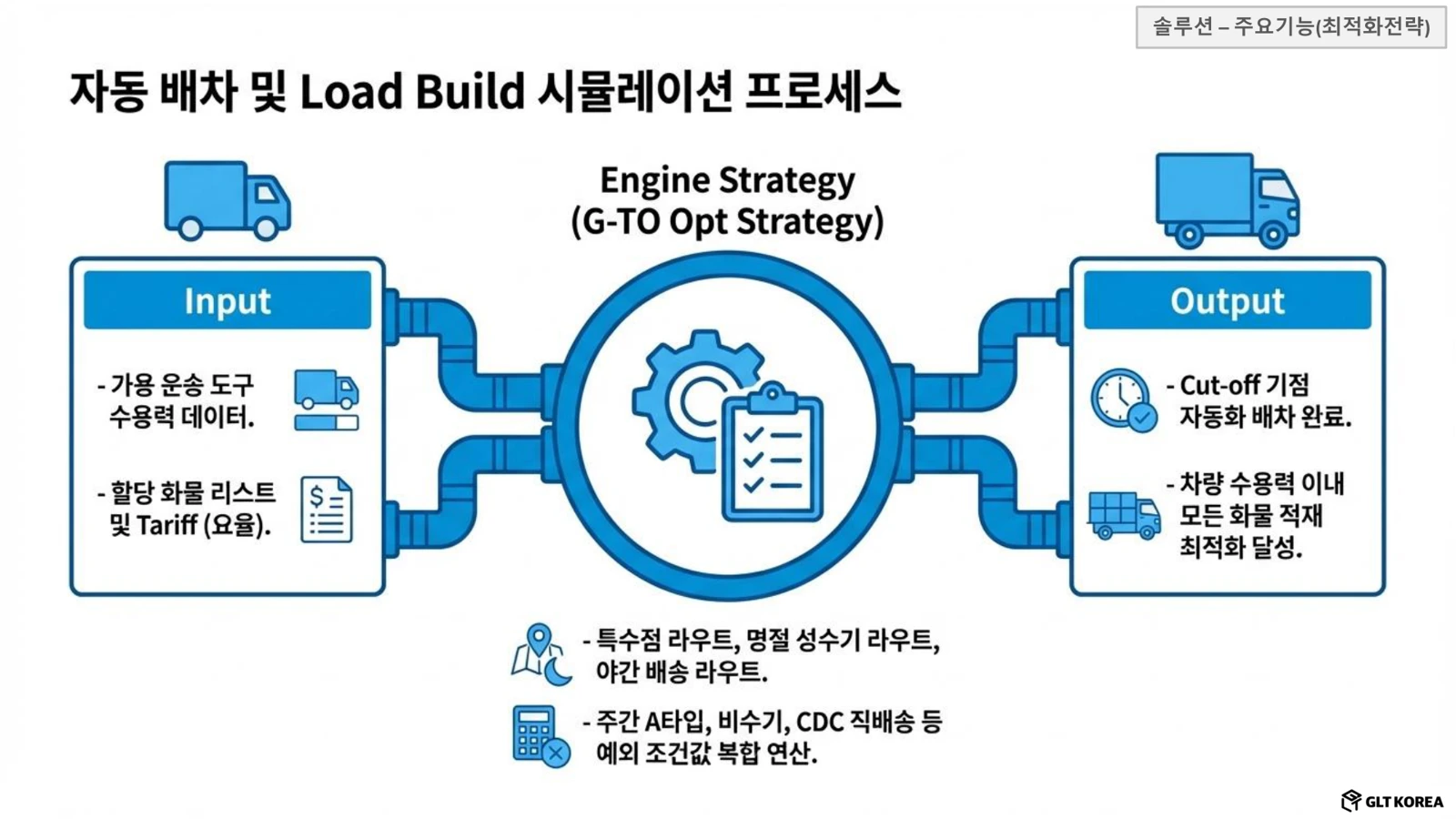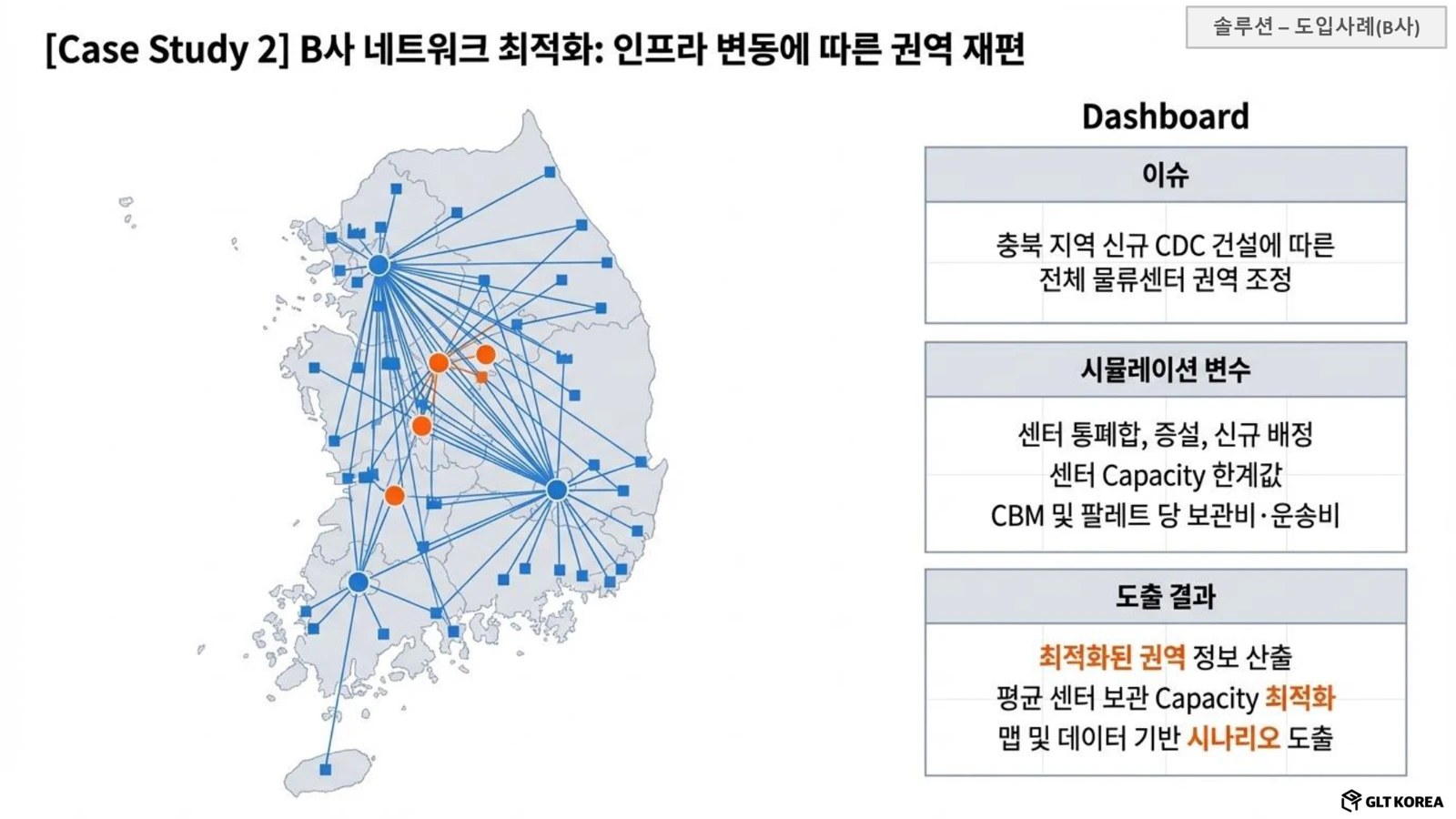

When considering dispatch optimization, you must first define the operational challenges and data you want to solve. If addresses, loading units, delivery times or access restrictions differ from the actual site, calculated plans may be difficult to implement.
3 data to check first
| Category | Main inspection items | Verification Purpose |
|---|---|---|
| order data | Order deadline and dispatch confirmation time, loading and unloading charges, loading units such as quantity, weight, volume, pallet, etc. | Confirm transportation demand at the same time and unit |
| Delivery address data | Address, latitude and longitude, vehicle types allowed to enter, height and weight restrictions, unloading dock and working hours. | Reflects conditions under which vehicles can actually approach and work |
| Vehicle/transportation conditions | Vehicle type, capacity, temperature range, compartment, delivery time, operation, rest, and return rules | Review plans to suit available resources and site constraints |
Do I need all my data to be perfect to start?
You can check available data first and determine what items are lacking and priorities for supplementation. In the initial review, the type of problem is identified using order, vehicle, and delivery address data from a representative period, and then the actual input fields, required values, and units are confirmed according to the application version and scope of work.
It is recommended that site exceptions be maintained in a separate list. Document conditions that significantly change the outcome, such as delivery locations that only allow specific vehicles to enter or fixed-assignment orders.
What is the difference between NO·TO·TMS?
| terminology | definition | key decisions |
|---|---|---|
| NO · Network Optimization | Network Optimization | Comparison of storage facilities by facility location, consolidation, volume in charge, and product |
| TO · Transportation Optimization | Transportation Optimization | Order/vehicle allocation and route plan review |
| TMS · Transportation Management System | Transportation management system | Management of transportation tasks and execution status and related operational information |
NO and TO are not the names of transport orders, but stand for Network Optimization and transportation optimization solutions, respectively.
Should I replace my existing TMS?
NO·TO can review coverage independently of TMS. We also define what data will be exchanged with the existing ERP/TMS and who will confirm the calculation results and reflect them in the execution system. Supported APIs and detailed functions are provided depending on the product version and scope of connection.
TO features and scope of application · NO analysis area · Sandbox preparation status